

Abnormal AI names three executives amid attack surge
Thu, 30th Apr 2026.webp)
Abnormal AI has appointed three senior executives to its leadership team, adding new leaders in product, customer success and legal.
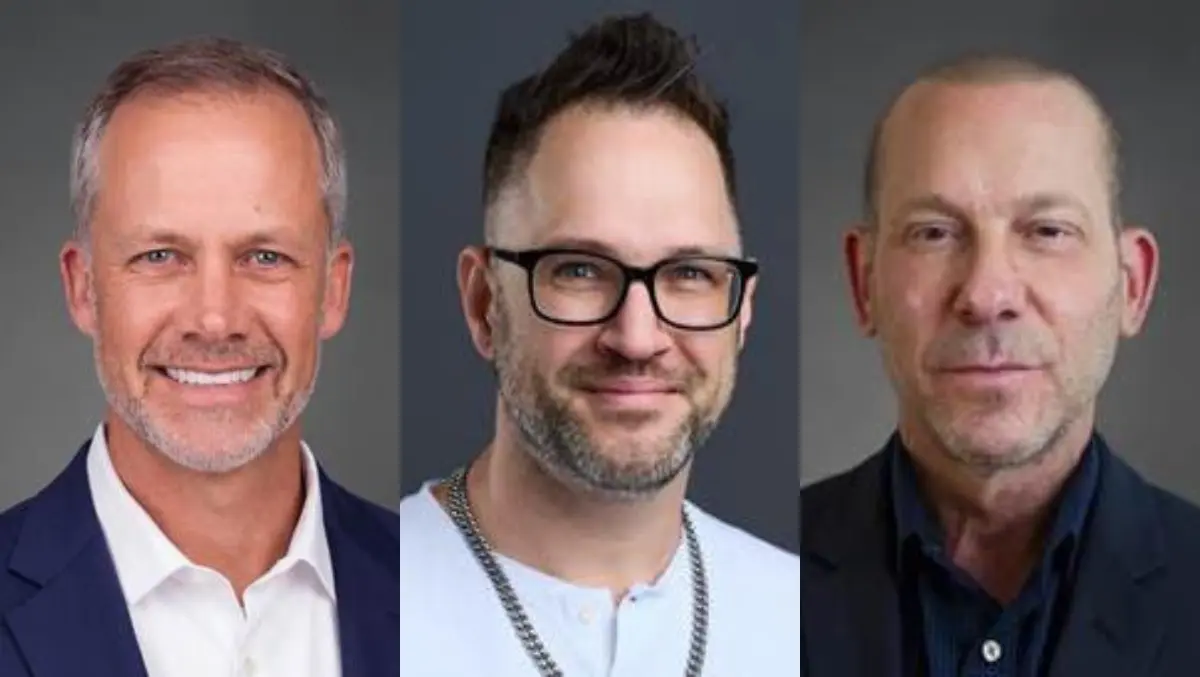
Stephen Harrison joins as Vice President of Product, New Products; Noah Rolff as Vice President of Customer Success; and John Slavitt as Chief Legal Officer.
The appointments come as the cyber security company reports a sharp rise in attacks that evade conventional email defences. Over the past six months, advanced attacks bypassing secure email gateways rose by 97%, driven by AI-generated threats designed to resemble trusted communications.
The trend has increased pressure on companies to strengthen protection across email and connected business applications, particularly as attackers use artificial intelligence to make phishing and impersonation attempts harder to detect.
Harrison joins from MGM Resorts International, where he served as Chief Information Security Officer and oversaw the group's security strategy. At Abnormal AI, he will lead new product development as the company expands its behavioural AI platform to address a wider range of threats.
Rolff takes up the customer success role after leading customer success and services for Cortex at Palo Alto Networks. He previously worked at Medallia and Expanse, and will help customers expand their use of Abnormal AI's products.
Slavitt joins after more than two decades as General Counsel at Check Point Software and a later stint as Chief Legal Officer at Gong. He will oversee legal matters as well as trust, transparency and compliance issues tied to the use of AI in cyber security environments.
Growth Pressure
The hires reflect a broader shift among cyber security vendors as they adapt leadership teams to deal with more sophisticated AI-assisted attacks and increased scrutiny of how AI systems are governed. Product development, customer retention and legal oversight have become more closely linked as companies seek to show their tools can respond to changing threats while meeting customer and regulatory expectations.
Abnormal AI focuses on detecting anomalies in identity and behaviour across email and workplace software. Its platform integrates with Microsoft 365 and Google Workspace, and also supports applications including Slack, Workday, ServiceNow and Zoom.
Its services are used by thousands of organisations, including more than a quarter of the Fortune 500. That customer base places the company in a competitive segment of the cyber security market, where suppliers are trying to stand out through detection methods that go beyond rule-based filtering and static indicators.
As attackers increasingly tailor messages to imitate internal colleagues, suppliers or executives, traditional email security products have faced criticism for failing to stop some forms of socially engineered attacks. This has created an opening for companies that analyse behavioural patterns rather than relying only on known signatures or sender reputation.
Leadership Focus
The three executives bring experience from larger cyber security and enterprise software groups. Their appointments suggest Abnormal AI is preparing for a more complex phase of expansion, in which product scope, customer support and legal structure must keep pace with growth.
Harrison's background as a security leader on the customer side may also give the company a closer view of how large organisations assess risk and deploy security tools. Rolff's experience in post-sales operations points to a focus on adoption and retention, while Slavitt's legal background adds senior oversight as AI-related compliance questions become more prominent.
Evan Reiser, Chief Executive Officer of Abnormal AI, said the hires would support the company's growth.
"To become the defining company in our space, every priority must enable us to move faster than the market," said Evan Reiser, Chief Executive Officer, Abnormal AI. "That speed comes from having the right leaders in place: people who can accelerate product innovation, remove friction as we scale, and help our customers get more value, faster, and with greater confidence. Stephen, Noah, and John each bring exactly that."