

AI shopping scams hit 28% of consumers, Malwarebytes says
Fri, 20th Nov 2026 (Today)
Malwarebytes has published research showing that 28% of consumers say they have experienced an AI-related shopping scam in the past year. The findings are based on a survey of 1,500 people across five countries, alongside the company's threat data.
The study points to growing concern among shoppers as online scams become harder to spot during the holiday shopping period. It found that 77% of respondents worry about being scammed by a fake AI website or AI-altered product listings and reviews, while 85% said sophisticated scams can be difficult to distinguish from legitimate offers.
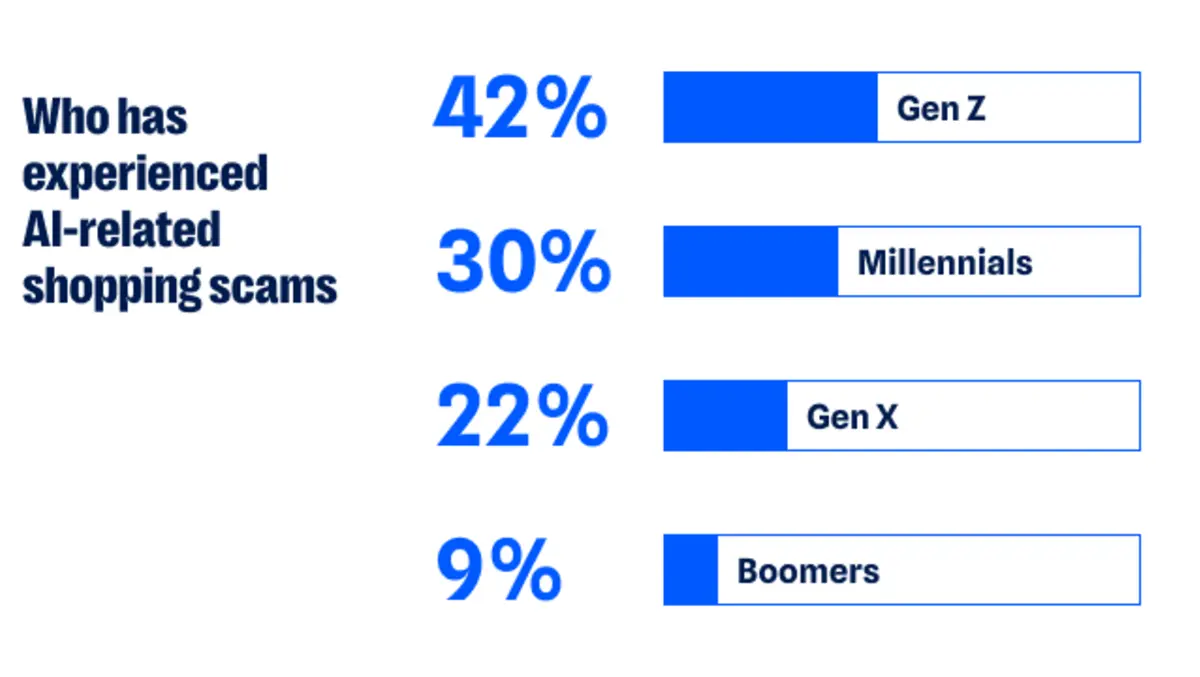
Younger consumers reported the highest exposure. Among Gen Z respondents, 42% said they had experienced an AI-related shopping scam, compared with 30% of Millennials, 22% of Gen X and 9% of Boomers and older.
The research also suggests scammers are relying on familiar household names to improve their chances of success. Amazon was the retailer most often impersonated in scams, followed by Walmart, Temu, Costco and Steam.
Delivery brands also featured heavily in fraudulent messages aimed at shoppers waiting for parcels. USPS ranked first among impersonated delivery companies, followed by FedEx, DHL, UPS and DPD.
Personalised fraud
One of the report's more notable findings was the role of personalisation. Nearly one in four respondents, or 24%, said they had received a scam message that appeared highly personalised and, in some cases, used their name or other personal details. Among Gen Z, that figure rose to 32%.
According to the report, fraudsters are using AI tools to create convincing storefronts, product images and reviews, while also drawing on breached personal data to tailor scam messages sent by email or text. Common delivery-related lures included messages about delayed parcels, failed deliveries, small fee requests and warnings framed as a final notice.
At the same time, many consumers said they were changing their behaviour in response to the threat. Some 53% said they had avoided links in unexpected texts or emails because of concerns about AI, while 36% said they had limited purchases from unfamiliar retailers. A smaller group, 20%, said they had used reverse image search to check whether product photos were genuine.
Even so, the findings indicate a high degree of fatigue. Nearly half of respondents, or 49%, said they feel overwhelmed trying to keep up with the threat, and only 41% said they were confident their current precautions would protect them from AI-driven scams or identity fraud.
Trust and confusion
The research also highlighted an apparent contradiction in consumer attitudes. While many respondents expressed concern about deception, 43% said it was acceptable for businesses to use AI-generated websites to sell products, and 60% said AI-enhanced product images were no different from regular advertising.
That overlap between acceptance of AI-generated retail content and concern about fraud may make it harder for consumers to decide what is legitimate online. As AI tools become easier to access, scammers can produce shopping sites and promotional material that look more polished than earlier forms of online fraud.
"Scammers have a professional design team, a copywriter, a fake review section, and a nice package of data about you at their fingertips," said Mark Beare, Head of Consumer, Malwarebytes.
"The old giveaways like funky images, grammar mistakes, and off branding are gone. Before you buy, pause and run the link through our free Scam Link Check. A few extra minutes now beats cleaning up after a scam," Beare said.
The survey covered respondents in the United States, United Kingdom, Germany, Austria and Switzerland. Scam rankings were drawn from threat telemetry and scam detection data collected over a 12-month period.
The findings add to a wider debate over how generative AI is reshaping cyber fraud by lowering the skill needed to create convincing fake websites, product listings and customer communications. For shoppers, the result is a less reliable set of visual and textual clues at the point of purchase, especially when fraudsters imitate widely used retailers and parcel services.
Amazon and USPS topped the list of brands most often impersonated in Malwarebytes' data.