

Alcatraz Rock X completes live airport facial ID tests
Thu, 15th Jan 2026
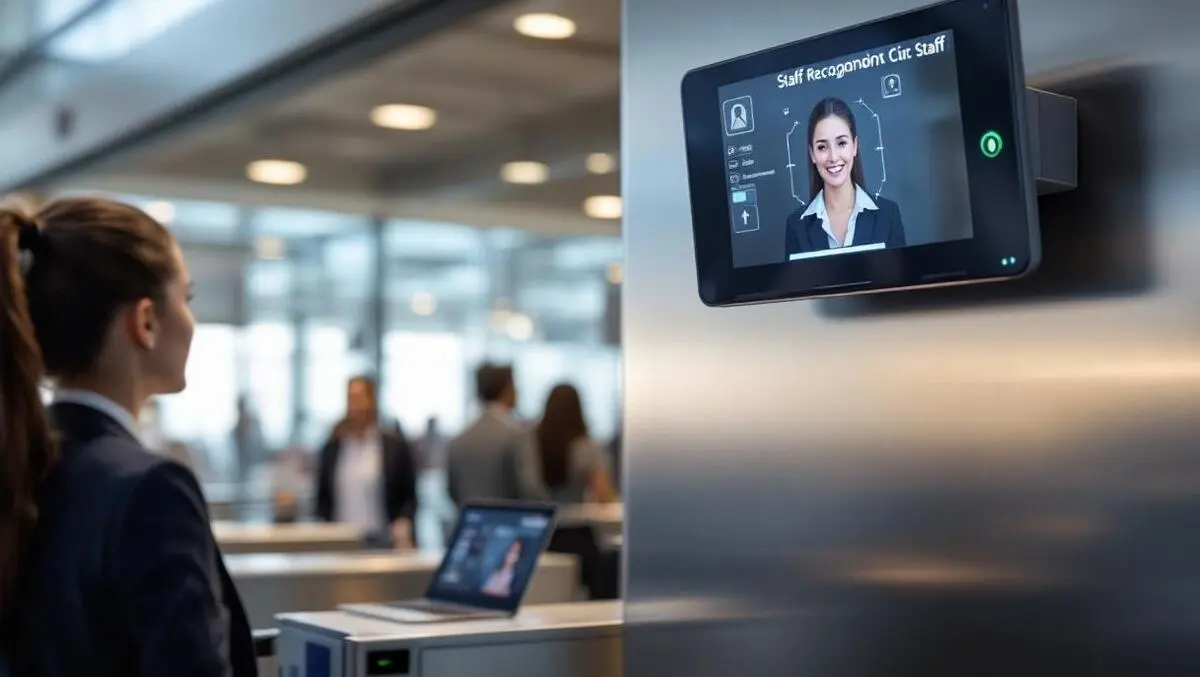
Alcatraz said its Rock X facial authentication system has completed operational testing and evaluation by the National Safe Skies Alliance at Honolulu's Daniel K. Inouye International Airport.
Safe Skies runs assessments in live airport environments. Airports use the results when they review security technologies for potential deployment.
Alcatraz positions Rock X as a facial biometric authentication product for physical access control. The company said it has deployments across airports and other sites. It listed corporate campuses, data centres, financial institutions, stadiums and government facilities.
Airports have expanded their use of biometrics in recent years, often focusing on passenger processing. Alcatraz is pitching its system for employee access points and restricted areas.
"Airports are balancing an extraordinary mix of challenges, from workforce access and perimeter security to regulatory compliance and maintaining the flow of critical operations across their facilities," said Tina D'Agostin, Chief Executive Officer, Alcatraz.
"Facial authentication for access control helps airports strengthen assurance at worker access points while reducing friction for authorized staff. Airports are already using biometrics at scale for passenger processing, so they are well placed to extend this transformative technology to employee and restricted-area access," said D'Agostin.
Live testing
Safe Skies describes itself as an independent third-party, non-profit organisation funded by the Federal Aviation Administration. It tests security systems for detection, reliability and maintainability under active airport operational and environmental conditions.
The organisation said it performs evaluations under an ISO 9001:2015-certified quality management system. Vendors often pursue third-party testing to address procurement requirements and operational concerns from airport security teams.
Alcatraz did not disclose technical results from the evaluation in its announcement. It said the Safe Skies evaluation report is available to qualified airport personnel at US commercial-service airports through established channels.
Privacy claims
Alcatraz said Rock X uses opt-in enrolment for individuals. The company also said it uses encrypted biometric templates and produces audit reports.
It cited a range of privacy and data protection frameworks. The list included GDPR in Europe and several US state laws such as CCPA, CPRA and BIPA.
Facial recognition and facial authentication systems face scrutiny in several jurisdictions. Airports and other operators often weigh security requirements alongside privacy policies, data retention rules, and consent processes. Procurement teams also review how vendors store biometric data and how they manage third-party access to that information.
Wider rollout
Alcatraz framed the Safe Skies evaluation as part of its expansion across airports and other critical infrastructure locations. The company said it aims to modernise access control using facial authentication driven by AI.
Airports have large workforces with diverse access needs, including airline staff, contractors, concession operators and maintenance teams. Operators often manage access across terminals, airside areas and back-of-house facilities. These environments also run around the clock and face operational constraints during installation and maintenance of security systems.
In that context, vendors compete on integration with existing access control infrastructure and on reliability under varying lighting and environmental conditions. They also face requirements around audit trails and incident response.
Alcatraz said Rock X has reached scale in several sectors. It also said it has protected more than four million employees worldwide.
The company did not detail which airports have adopted the system. It did not provide commercial terms or a timeline for further airport deployments following the Safe Skies evaluation.
Alcatraz is based in Cupertino, California. The company said it provides facial biometric authentication for physical access in environments where organisations place emphasis on security controls and compliance.
"Airports are balancing an extraordinary mix of challenges, from workforce access and perimeter security to regulatory compliance and maintaining the flow of critical operations across their facilities," said Tina D'Agostin, Chief Executive Officer, Alcatraz.