

Claroty launches Claire AI agent for cyber-physical systems
Thu, 28th May 2026
Claroty has launched Claire, an AI security agent for cyber-physical systems, aimed at organisations that run mission-critical infrastructure.
Claire was built specifically for cyber-physical systems, or CPS, which include operational technology environments across industry, healthcare, commercial operations and the public sector. The tool draws on a language model trained on more than a decade of Claroty research and field data.
Claroty is targeting operators facing a growing cyber risk landscape as artificial intelligence spreads across industrial settings. Conventional IT-focused security products, it argues, were not designed for environments where safety, uptime and physical operations are tightly linked.
Claire is intended to help customers identify assets, assess exposures and guide remediation. The system can also automate the mapping of assets to regulatory frameworks and approved patch levels, a task that often falls to security and compliance teams preparing for audits.
The launch comes as technology suppliers try to apply generative AI and agent-based software to cybersecurity work previously handled through manual processes or narrow automation. In operational technology, vendors are seeking to show these systems can work without disrupting industrial processes or introducing new risks.
Claroty said its model has been trained on information covering more than 6,500 original equipment manufacturers and medical device manufacturers. Its platform has also been deployed at more than 20,000 sites across more than 50 sectors and 60 countries.
Claroty positioned the product as a response to two pressures on infrastructure operators. One is the wider use of AI in industrial systems and connected devices, which expands the attack surface. The other is the speed at which cyber threats can now be developed and adapted using AI tools.
A Goldman Sachs forecast cited by Claroty pointed to rapid growth in industrial robotics, with the total addressable market for humanoid robots projected to reach USD $38 billion by 2035. Claroty used that projection to support its view that more connected and automated equipment will create more points of exposure inside operational environments.
Analyst firms have also increased their focus on the area. Claroty cited Gartner research arguing that security teams need to combine deterministic safety controls with AI-driven investigation and enrichment to reduce risk and maintain resilience without affecting operations.
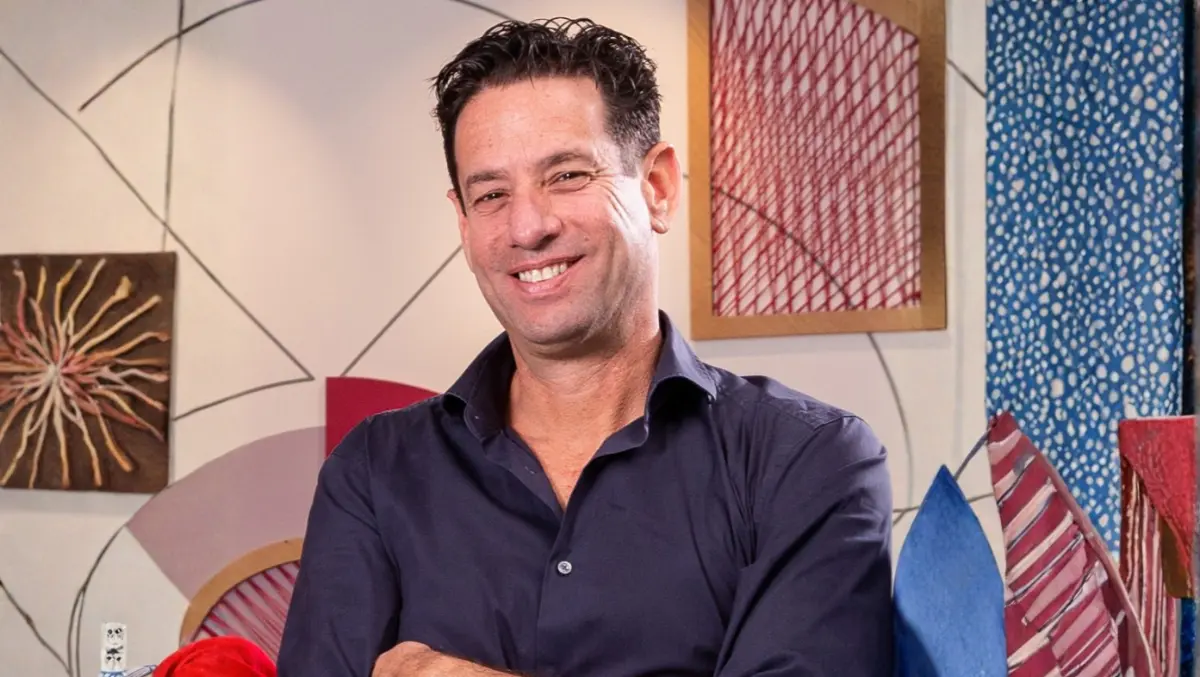
Yaniv Vardi, chief executive officer of Claroty, said the launch reflects a need for tools that understand the practical constraints of operational technology.
"Organisations face pressure to embrace digital transformation and AI for efficiency and cost reduction, all while ensuring these tools safely improve resilience and preserve uptime," Vardi said.
"This Herculean task is achievable when leveraging an AI tool that intrinsically understands the unique complexities of CPS environments and can balance security controls with operational needs. That's why we built Claire-to empower human operators to make decisions with confidence, based on tailored insights and agentic actions you can trust," he added.
Broader strategy
The release of Claire extends Claroty's recent push to add AI-based functions across its wider platform. Earlier additions include a CPS Library, AI-generated dashboards and reports in its xDome offering, and a Model Context Protocol server for xDome.
That strategy is unfolding in a market where vendors are trying to show that AI systems can do more than summarise alerts or answer natural-language questions. In industrial security, the commercial test is whether these systems can support action on exposures, device settings and network risks while preserving operational continuity.
Claroty said Claire was designed to support three main tasks: reducing risk by prioritising exposures that could affect business continuity, improving operational resilience through device-level understanding, and supporting continuous compliance by reducing manual audit preparation. Those claims place the product in a part of the security market where customers often judge software less on novelty than on whether it can fit safely into existing engineering and maintenance processes.
Market position
Claroty said it serves more than 1,300 customers, including 24 of the Fortune 100. It also pointed to recent recognition from Gartner and Forrester in the CPS and IoT security markets, as competition among specialist vendors and larger cybersecurity groups continues to intensify.
For Claroty, the launch gives it a clearer AI proposition at a time when infrastructure operators are being asked to modernise networks, connect more equipment and meet tighter oversight requirements. Claire is intended to help human operators make decisions in complex environments where security action can have direct operational consequences.