

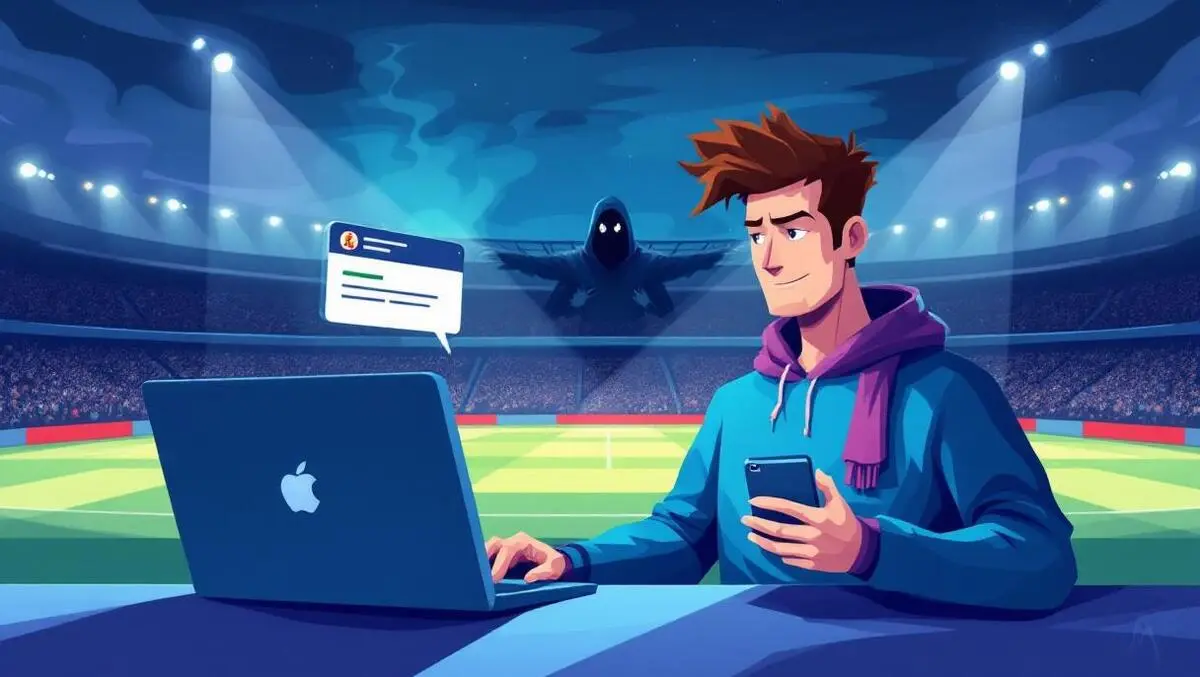

Football fans planning to attend the 2026 World Cup or participate in online activities related to the tournament are being advised to be cautious of a rise in digital scams targeting ticketing, travel bookings, and event promotions.
The tournament, which will see 48 teams including New Zealand's All Whites compete in North America, is expected to attract an audience of billions worldwide through 104 planned matches across the United States, Canada, and Mexico. With ticket sales for the event now underway, cybersecurity firm Norton has warned that cybercriminals are likely to attempt to exploit the increased activity and excitement among fans.
Scams on the rise
Major international sporting events often attract scammers seeking to take advantage of people's interest and urgency, according to cybersecurity experts. Norton's Managing Director APAC for Gen Digital, Mark Gorrie, explained the risks facing football supporters, particularly those from New Zealand.
"The All Whites have qualified for the games, and cybercriminals are gearing up to take advantage of fans that are planning trips and looking for deals. When fans are caught up in the excitement of major sporting events, scammers see it as the perfect moment to exploit their vulnerabilities," explains Mark Gorrie, Managing Director APAC for Gen Digital. "During the football games in North America, scams may take many forms, from counterfeit tickets sites and fake promotions to fraudulent travel booking schemes."
Experts say digital scams around events such as the World Cup typically include bogus ticketing websites, search engine manipulation, fake social media accounts, and phishing campaigns. In many cases, these digital attacks are designed to steal personal information or money from unsuspecting fans eager to secure deals or access exclusive content.
Common scam methods
Norton specialists have highlighted several prominent digital risks:
- SEO poisoning, where malicious sites seek top search result positions to trick users into sharing data or downloading malware.
- Fraudulent social media accounts, which may present special ticket offers or competitions that are fabricated to steal information.
- Online contest scams, which request personal details under the guise of offering prizes.
- Illegal ticket sales, exploiting fans' fear of missing out by advertising non-existent or forged tickets.
- Phishing and malware attacks, using fake emails or online ads that resemble official communications.
- Travel booking scams, including fake travel agencies or listings, sometimes resulting in false hotel or flight reservations and potential financial loss.
Travellers could face risks related to public Wi-Fi or accommodation scams once they arrive at their destination, potentially exposing their devices or payment information to compromise.
Advice for fans
"Scammers often succeed in moments of excitement, navigating people into making rushed decisions by showing amazing, but fake, offers in exchange for money and personal information. Fans must remember that if a deal seems too good to be true, it probably is," said Gorrie.
Norton has issued a number of recommendations for those looking to attend or follow the tournament, including:
- Verifying URLs before clicking on search results or promotional links, watching for unusual spellings or domain names that mimic legitimate websites.
- Being cautious when interacting with offers on social media or messaging platforms, and refraining from purchasing tickets through unofficial channels.
- Choosing digital tickets transferred through official platforms rather than printed or PDF tickets.
- Never transferring money for tickets to personal accounts or using direct bank transfers outside authorised channels.
- Using two-factor authentication and strong, unique passwords for all online accounts related to booking and purchases.
- Ensuring antivirus software is up to date and considering the use of a VPN when making online transactions.
- If affected by a scam or an attempted fraud, reporting the incident to the official ticketing company and appropriate authorities as soon as possible.
With preparations underway for the matches beginning next June, Norton emphasises the importance of vigilance, particularly for those travelling internationally or making bookings through third party websites. Adherence to these precautions may help reduce the potential impact of digital fraud as the tournament draws closer and fan activity increases.