

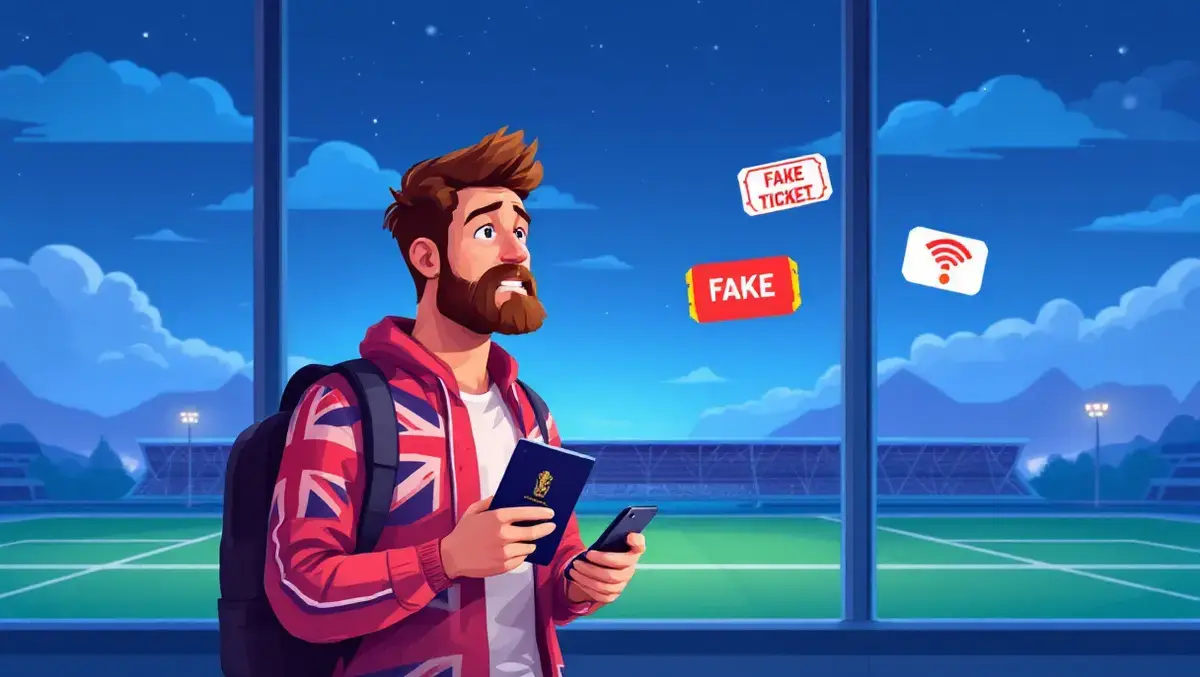
Norton warns Britons of World Cup scams this summer
Mon, 29th Jun 2026
Norton has identified 10 scams targeting Britons this summer, including four that pose particular risks to fans travelling to the United States for the 2026 FIFA World Cup.
They include ticket fraud, fake public WiFi networks, gambling scams and reservation hijack schemes, which can affect travellers from the point of booking through to arrival at stadiums and hotels.
The findings reflect how large sporting events can create openings for criminals to exploit urgency, excitement and heavy online activity. Fans booking accommodation, buying tickets, checking scores and placing bets can all become targets for fraud.
Among the risks highlighted, ticket scams remain one of the most visible. Fraudsters use social media, unofficial resale sites and compromised accounts to sell counterfeit, duplicated or non-existent tickets, with victims often discovering the problem only when they reach the venue.
Public connectivity is another concern for travellers. Cybercriminals can use fake WiFi networks in airports, hotels and transport hubs to intercept activity from people trying to stream matches, check results or manage bookings on the move.
Reservation hijack scams are another risk. Criminals use stolen booking details to impersonate hotels and send messages about supposed problems with a reservation, prompting travellers to re-enter payment information through fraudulent channels.
Betting-related fraud has also been flagged as a growing threat around major tournaments. Fake betting platforms, bogus tipsters and offers with implausibly favourable odds are promoted through social media and messaging apps, luring victims into deposits they cannot recover.
Wider scam list
Beyond travel and sport, Norton's wider summer list points to a broader pattern of impersonation and digital deception aimed at UK consumers. It ranked reservation hijack scams, AI romance scams, imposter scams, package delivery scams and ticket scams among the main fraud types to watch.
It also listed parking ticket text scams, gambling scams, crypto and investment fraud scams, tech support scams, and lottery and sweepstakes scams. Several rely on messages that appear to come from trusted organisations or familiar contacts, often combining urgency with requests for payment or account details.
AI romance scams were identified as one of the more technologically enabled threats on the list. Scammers use AI-generated profiles, deepfakes and prolonged emotional manipulation to gain trust before seeking money, personal information or participation in fake investments.
Imposter scams were also highlighted for their use of cloned voices and stolen identities. Criminals pose as known individuals or institutions and create urgent situations designed to pressure victims into sending money quickly.
Delivery-related fraud remains a common tactic. Fake courier texts typically claim there is a problem with a parcel and direct recipients to bogus websites that seek payment card details or account logins.
Parking ticket text scams follow a similar pattern, using text messages that purport to come from local authorities and demand payment for invented parking fines, tolls or traffic violations. Tech support scams, meanwhile, depend on fraudsters posing as legitimate technology providers and persuading people to hand over money or allow remote access to devices for issues that do not exist.
Crypto and investment fraud continues to feature in seasonal scam warnings as criminals adapt investment pitches to current trends. Such schemes often present fake trading platforms or opportunities that appear profitable until the victim attempts to withdraw funds.
Lottery and sweepstakes scams round out the top 10. These typically tell victims they have won a prize and then ask for upfront fees or taxes for rewards that do not exist.
The focus on travel, payments and impersonation suggests consumer scams are increasingly built around ordinary digital behaviour rather than isolated cyber attacks. From booking a room and joining a network to responding to a text message, many of the risks identified depend on criminals inserting themselves into familiar transactions.
Norton said fraudsters are exploiting every stage of the fan journey, from buying match tickets and booking accommodation to placing bets and connecting to public WiFi.