

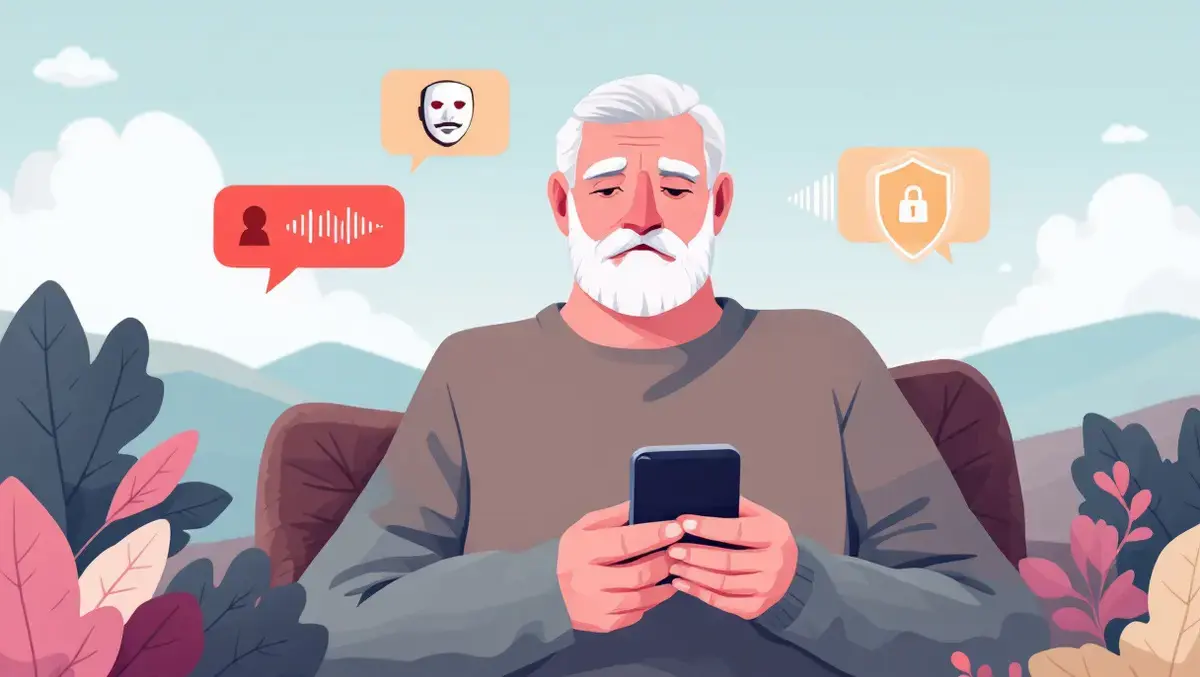
Verizon targets rising phone scams against older adults
Mon, 29th Jun 2026
Verizon has outlined a combination of technology tools and digital education aimed at helping older adults defend against increasingly sophisticated phone scams, as fraudsters use AI voice cloning, spoofed caller IDs and text messages to target retirement savings and fixed incomes.
The company said phone-based phishing attempts are becoming more effective than traditional email scams, while families and caregivers are playing a growing role in protecting vulnerable users through call-filtering technology, specialised devices and digital literacy programmes.
Rising threats
The scale of financial fraud affecting older Americans continues to grow.
According to the FBI's latest Internet Crime Complaint Center Report, people aged over 60 submitted more than 200,000 complaints and reported losses exceeding USD $7.7 billion. The average reported loss was more than USD $38,000.
Verizon's 2026 Data Breach Investigations Report also found that phishing simulations delivered through phone calls and text messages produced click rates 40% higher than email, reflecting how quickly users tend to respond to communications received on mobile devices.
The company said criminals are increasingly using familiar tactics supported by newer technologies. Caller IDs can be falsified to resemble legitimate organisations, while AI-generated voice cloning can imitate relatives during fabricated emergency situations.
Many scams also rely on urgency. Fraudsters commonly claim to represent banks, government agencies or utility providers while demanding immediate action. Victims may be instructed to make payments using gift cards, cryptocurrency, payment applications or wire transfers. Others are asked to provide one-time passcodes, account credentials or personal information while being discouraged from contacting relatives or independently verifying the request.
Verizon advises consumers to end unexpected calls and independently contact the organisation through an official telephone number listed on its website, billing statement or payment card. If someone claims to be a family member in distress, the company recommends hanging up and contacting that person or another relative directly.
Device support
Verizon is also promoting technology designed specifically for older adults who require additional assistance using smartphones.
Among the options is the RAZ Memory Cell Phone, which simplifies the home screen by displaying large photographs and names for up to six trusted contacts instead of traditional application icons and settings.
The device also shifts much of the security management to caregivers through a remote application. Caregivers can manage approved contacts and automatically block incoming calls from unknown numbers. Text messaging can also be restricted so that messages are only exchanged with trusted contacts.
The company said this approach reduces opportunities for scammers to contact older users through unsolicited calls or text messages.
Verizon also recommends using call-filtering services that identify suspected spam calls before they are answered. It encourages customers to review privacy settings, enable two-factor authentication and secure mobile accounts with strong passwords.
Digital education
Alongside technical safeguards, Verizon is expanding education programmes aimed at improving digital awareness among older adults.
Through its Digital Wellness programme, the company works with Older Adults Technology Services from AARP to provide free digital safety workshops. Sessions are held at Verizon retail stores, Senior Planet locations and through an online learning community.
The training covers practical security topics including privacy settings, password management and recognising scams that use AI-generated voices or other forms of impersonation.
Participants who prefer independent learning can also access self-guided video tutorials and technology guides covering many of the same subjects.
The programme reflects growing recognition across the technology sector that fraud prevention depends on both technical protections and user awareness, particularly as AI-generated scams become more convincing and easier for criminals to deploy.
Verizon said combining call-blocking technology, simplified devices for vulnerable users and ongoing digital education can help reduce opportunities for fraud while giving families additional ways to support older relatives against increasingly sophisticated phone scams.