CISA stories
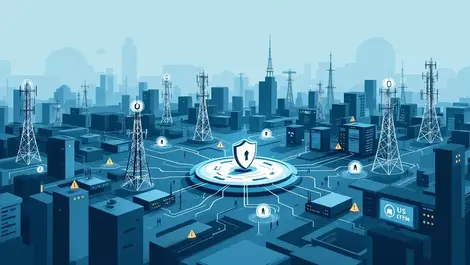
Basic security gaps are leaving nearly two-thirds of analysed US telecoms providers in an elevated cyber risk band, the report says.
New UK reporting rules and AI-enabled attacks are leaving critical infrastructure operators with far less time to spot and contain breaches.
Enterprises running Java face a heavier patching burden, as 53 flaws in the latest OpenJDK update must be fixed far faster than usual.
Even small firms can cut breach risk sharply by enforcing passwords, MFA, phishing checks and patching, CISA says.
The accreditation gives government and regulated buyers independent assurance that the VSP One Block platform has met recognised security requirements.
SMBs face rising breach risk as the report says seven routine security failings, not advanced malware, drive most attacks, with ransomware in 88% of cases.
Thousands of exposed SonicWall devices still give Akira ransomware a route in, as patched systems with old credentials remain a live risk.
Industrial control systems could be patched faster as Rockwell tests controlled access to Claude Mythos 5 to spot flaws before attackers exploit them.
The FBI says Medusa has now hit more than 500 victims, with hospitals and other critical sectors among those most exposed.
With most operators exposed to basic flaws, the paper warns telecom networks could face the same low-effort intrusions seen in US water systems.
The new layer aims to help network teams prioritise vulnerabilities and automate routine fixes, while keeping human approval in charge.
Known exploited flaws are still being driven by decades-old coding mistakes, leaving critical infrastructure exposed to faster-rising ransomware risk.
Revised guidance and remotely exploitable flaws are heightening the risk of widespread compromise across firewalls, routers and switches.
Long-lived data could be exposed to harvest-now, decrypt-later attacks, as Atsign bakes NIST-approved quantum-safe algorithms into its SDK layer.
Rising disclosure volumes are forcing security teams to predict which flaws attackers will exploit as FIRST broadens its vulnerability conference in Luxembourg.
Organisations preparing October training will get new materials on phishing, deepfakes and reporting from a free package aimed at staff awareness.
Government buyers may find procurement easier, as the VSP One Block storage platform has gained independent security approval valid through 2031.
Australian organisations are paying millions more when breaches linger, making delayed cyber investment a boardroom problem rather than a technical one.
A major coordinated attack on UK battery storage could cost the grid GBP £2 billion to GBP £10 billion within five years, Centrii says.
The documentary's global rollout will take its account of cyber attacks on vital services to more than 30 cities, including Sydney.