Developer tools stories
The expansion gives IT teams central control over AI agent permissions, reducing risky static keys and easing reviews as workplace use widens.
Businesses can now assign tasks in Slack threads to a shared Claude instance, with administrator controls designed to limit access and spending.
By focusing on evidence and small reversible changes, loop engineering could curb costly AI coding mistakes before they reach production.
Businesses adopting autonomous AI agents face a new pre-deployment security check as Exabeam's Praxen tests whether permissions match duties.
Businesses running AI agents may now route incident response and observability data through New Relic's new tools, aimed at cutting operational toil.
Thousands of pub prices were gathered by automated calls, showing how voice AI can do large-scale field research beyond chatbots.
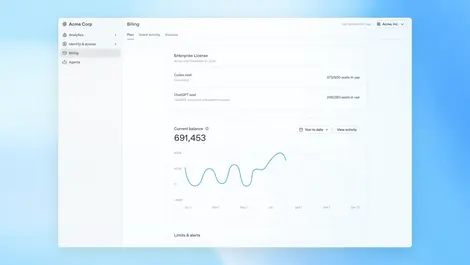
Enterprise users can now see credit spend by person, product and model, helping finance teams spot adoption trends and control costs more tightly.
The Brisbane agency's recognition boosts Australia's profile in Umbraco's global partner network as it expands across APAC.
Pre-orders open in the United States, United Kingdom and France for Snap's standalone glasses, priced at USD $2,195 and due later this year.
Developers using Kimchi can now route tasks to MiniMax M3, cutting costs and keeping code inside controlled enterprise environments.
A global survey suggests many junior coders can use AI tools but still struggle to explain their output, worrying employers about future readiness.
IT teams on Apple fleets can now set rules, spot unsanctioned tools and generate compliance reports as AI use spreads across Macs.
More than half of Vercel deployments are now triggered by coding agents, as monthly AI token traffic has jumped tenfold.
Startups in Singapore are shifting spending towards Anthropic's Claude, as OpenAI's lead has narrowed sharply in new transaction data.
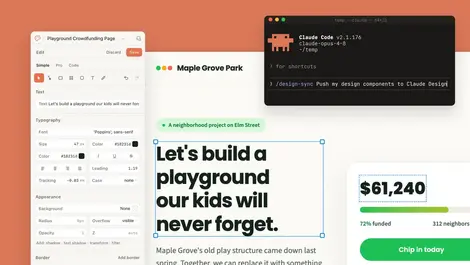
Users can now tie design work to coding and workplace tools, as Anthropic widens Claude Design's reach across teams and projects.
Public release of the Mini Shai-Hulud code means copycat attacks can now hit developers, CI/CD systems and open-source supply chains.
Security teams can now trace AI activity across employee and developer environments as Reco links Claude usage to permissions, keys and data paths.
Businesses can now route coding jobs to a lower-cost open-weight model as Cast AI makes Kimchi Coding the first autonomous agent to offer MiniMax M3.
The expansion gives Korean firms, researchers and officials wider access to Claude as Anthropic deepens its push in one of Asia's busiest AI markets.
The new funding will help the Cambridge software company speed product development and expand in the US and Europe as AI bugs grow harder to trace.