Digital Sovereignty stories
The upgraded site will double production capacity and cut maintenance costs by 30% as Europe races to secure more sovereign computing power.
Nearly a third of European organisations still lack formal oversight, even as digital sovereignty and generative AI drive heavier open source use.
Attendees will see connectivity pushed into new sectors as dedicated automotive, health and aviation zones join the Barcelona show in 2027.
Rising AI costs and governance risks are forcing enterprises to rethink where workloads sit, as cloud strategy becomes tied to AI deployment.
Organisations using several AI models will get spending, access and policy controls in one place, as use of generative tools spreads across departments.
The chip aims to ease power and cooling constraints for operators seeking AI systems with tighter supply chain control and domestic manufacturing.
DesignVerse is targeting U.S. aviation, defence and finance clients with on-premise AI tools as data sovereignty concerns reshape vendor choice.
The deal gives EU developers one portal for a €180 million cloud framework, reducing complexity as the Commission backs European suppliers.
The recognition comes as nearly 92% of Asia Pacific enterprises say data governance and compliance have delayed or cancelled AI projects.
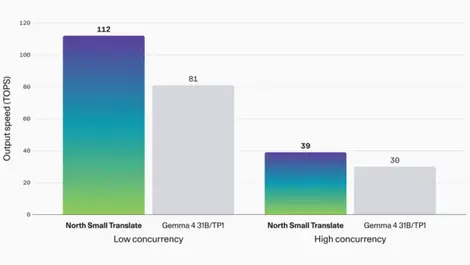
Enterprises handling large multilingual workloads may gain cheaper, faster translation as Cohere's new model targets data control and sovereign deployment.
Alliander's validation could speed software-defined substations, as SUSE becomes the first enterprise Linux vendor to meet SEAPATH's timing demands.
A mix of local and global systems could shield New Zealand services from cyberattacks and natural hazards while preserving control over critical data.
The Brisbane cybersecurity group added 17 staff and narrowed vendor ties as a services push helped lift gross profit 38% in 2026.
Smaller specialist models could save UK banks millions on compliance work while reducing reliance on a handful of US tech giants.
Worries are growing that autonomous systems could deepen loneliness, disrupt schooling and force governments to curb AI use.
Their Canberra-built software has won praise for keeping sensitive government and defence data onshore as Australia weighs reliance on foreign AI platforms.
Canada should focus on the AI infrastructure pieces that matter most, executives say, rather than insisting every link in the supply chain be domestic.
Singapore's scarce land and tight labour market are pushing H2O.ai to test AI systems in live customer settings, not demos.
Australia's AI rules may decide whether businesses gain protection without extra red tape that slows deployment and pushes investment offshore.
Alert-led security teams risk falling behind as AI now needs to be built into the SOC's core to stop attacks earlier and preserve sovereignty.