Engineering stories
Rocket Lab aims to reuse its Electron rockets for every mission, starting with an ocean recovery operation next year, boosting launch frequency.
Early input from facilities managers could cut costs and improve new buildings' long-term quality, according to a BRANZ report.
Micromaker3D creates detailed submillimetre structures for applications such as sensors, wearables, point-of-care diagnostics, and micro-robotics.
The honour also highlighted Beca colleagues and future talent, with two young engineers recognised and a diversity network making the finals.
Europe’s rise in skyscraper design was underlined as Emporis named Macau’s MGM Cotai the year’s top tower for its layered form.
A shortage of engineers is already constraining construction, manufacturing and agriculture as firms struggle to adapt to new skills and technologies.
After earthquakes, managers could know within minutes whether buildings are safe, cutting weeks of waiting for engineering reports.
Automation is pushing structural engineers towards creative problem-solving, with empathy and communication set to matter more than maths.
Redesigned equipment is back in the Pacific as the Ocean Cleanup makes a second bid to trap plastic in the Great Pacific Garbage Patch.
The Wonder Project aims to get children excited about science, technology, engineering and maths (STEM) in a way that's both fun and engaging.
Auckland's Termius secures USD $4.1m in seed funding from top Silicon Valley investors to revolutionise how network engineers manage SSH on multiple devices.
Manufacturers are gaining cheaper, safer and lighter parts as advanced plastics replace metal in machinery, buildings and bulk handling.
Metal industry leaders will debate productivity, sustainability and AI in a free new podcast aimed at New Zealand businesses.
Schneider Electric partners with ASC to boost Australian industry capability in support of Collins Class submarines and Future Submarine Program.
With population growth and climate change mounting, utilities are rolling out new operations, reuse and safety measures to secure future supply.
Fuji Xerox staff across New Zealand strike for a second day over pay, rejecting a 2% raise that won't be backdated to 2018 amid financial losses.
Reopening of the Main North Line helped lift KiwiRail's half-year revenue 12% to GBP £328.8 million and surplus to GBP £16.3 million.
Visitors can now stay in a hotel carved into an abandoned Shanghai quarry, after decade-long construction overcame engineering setbacks.
Severe drought is accelerating demand for leak detection and pipe refurbishment as Australia tries to protect water supplies across vital networks.
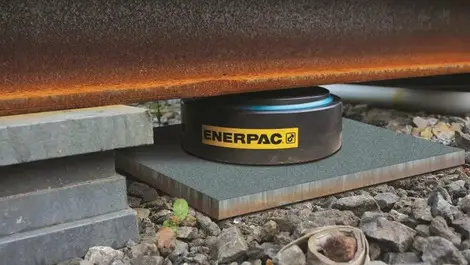
Confined-space lifting gets safer, as stop rings and nitrocarburised surfaces help protect 10-100 ton cylinders in harsh sites.