Risk assessment stories
Unified security services reduce risk and facilitate compliance requirements, says Fortinet ANZ Director Cornelius Mare.
Working from home can trigger fresh obligations on contracts, safety, privacy and security, with employers footing extra costs.
A Christchurch meat plant has been fined and ordered to pay reparation after a worker lost four fingers in a cleaning accident.
Workplace injuries may fall sharply if staff are trained, alert and equipped with cut-resistant gloves, according to safety guidance.
A Rotorua logging firm’s failure to assess live powerlines left a worker with life-changing burns and triggered the penalty.
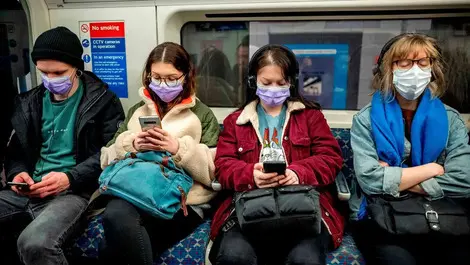
A new University of Colorado Boulder model suggests crowded, poorly ventilated spaces raise coronavirus risk, especially without masks.
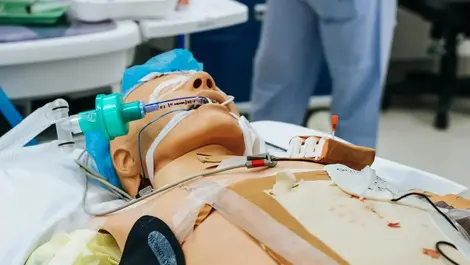
Prepared workplaces can cut fatal delays, with alarms, drills and first aid skills helping staff respond within minutes.
Careful questioning can expose risks, priorities and hidden obstacles before work begins, helping teams avoid costly missteps.
With 2.8 million nonfatal workplace injuries reported in 2018, employers are being urged to stock gear that cuts risks and protects staff.
Businesses working on steep terrain face renewed scrutiny after a forestry rollover in Wellington killed a worker and left a company fined NZD $60,000.
Workplace safety teams can reduce injuries and meet compliance duties by using a seven-step plan to identify and control hazards more effectively.
A Timaru lumber yard has been fined after unsafe timber stacking led to a three-year-old boy suffering fatal chest and lung injuries.
Workers were exposed to a risk of death or serious injury after a known faulty gate injured two men and triggered a near-$271,000 fine.
Businesses must review hygiene, distancing and contact-tracing controls as thousands return to work under Alert Level 2.
Queenstown looks most exposed, with tourism reliance and Airbnb saturation making its property market vulnerable to a COVID-19 downturn.
Workers returning to sites after lockdown face added risks from inactivity, mental strain and social distancing, says NZISM President Greg Dearsly.
An ageing, corroded pressure cylinder on a dairy farm exploded after repairs, killing a registered electrician and destroying the pump shed.
The dairy co-operative cut rollover risks by fostering open reporting and a fatigue-management programme for tanker drivers.
Lack of height-safety procedures left a teacher and student unconscious after a scaffold toppled during school lighting setup.
Falls from just a few metres can still kill, as complacency around ladders, roofs and trucks leaves workers exposed to severe head and neck injuries.