Threat detection stories
The hire gives the cybersecurity firm a seasoned customer-facing adviser as enterprises grapple with more convincing phishing and impersonation attacks.
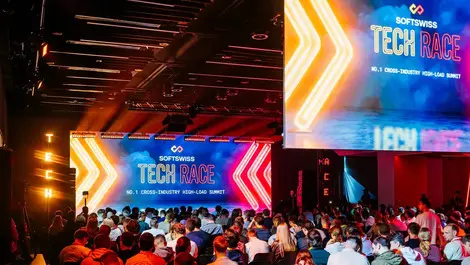
AI and personalisation are reshaping Softswiss's product, engineering and security priorities as the group warns of higher cyber risk and tighter data demands.
Joint customers can now spot privileged identity risks alongside threat alerts in CrowdStrike Falcon, after BeyondTrust added new data feeds.
The service is aimed at firms that pay for Microsoft security tools but have yet to turn them into fully operational defences.
Security teams can now use narrowly scoped agents to triage alerts, investigate cases and check systems without giving AI unrestricted access.
Targeted phishing and payment fraud are getting harder to spot as attackers mimic routine business workflows and trusted contacts.
Critical infrastructure operators are using cellular links to secure distributed assets as outages and spoofing raise the stakes for resilience.
With Fortune 500 firms expected to deploy vast armies of agents, the alliance aims to curb access risks as AI tools spread across business systems.
Incomplete asset inventories are leaving industrial operators exposed, with only 21% able to track every OT system despite 88% calling programmes mature.
Enterprises are seeking stronger controls as use of generative AI and autonomous agents widens across both internal tools and customer products.
Surveyed firms are struggling to spot when autonomous tools stray from approved tasks, as 48% of security leaders now rank them as their biggest insider threat.
Industrial control systems could be patched faster as Rockwell tests controlled access to Claude Mythos 5 to spot flaws before attackers exploit them.
Pressure on overstretched security teams is driving Thrive to add Elastic and Cato Networks to its NextGen platform, widening detection and access controls.
Irish organisations will get ongoing proof their defences work in live environments, after 71% of CIOs reported a cyber incident in the past year.
Access risks are rising as cloud and AI adoption multiplies digital identities, prompting the enlarged team to target more complex controls.
Blind spots in agentic AI could turn routine tasks into breaches, as Canadian firms ramp up use faster than oversight can keep pace.
The deal gives the customer experience outsourcer 24/7 threat detection and incident response as clients demand stronger proof of security controls.
Incident response at the Philippines-based payments firm has fallen from hours to minutes, helping it fix most issues before merchants are hit.
Smaller firms could face more frequent attacks if access to advanced models stays limited to government agencies, Huntress says.
The new feature targets a growing gap in AI governance, after Cohesity found 56% of organisations feel unprepared for agent mishaps.