

North American fund managers boost currency hedging
Wed, 19th Aug 2026 (Today)%201.webp)
MillTech found that 94% of North American fund managers now hedge forecastable currency risk, the highest level it has recorded since it began tracking the market in 2023.
The research also found that 97% of respondents suffered losses from unhedged foreign exchange exposure during the first quarter, with average losses of USD $731,000. Among those surveyed, 12% reported losses of between USD $1 million and USD $4.9 million.
The findings are based on a survey of 250 senior finance decision-makers at fund managers in the United States and Canada. Respondents included Chief Financial Officers, Finance Directors, Financial Controllers, Chief Operating Officers, and Chief Executive Officers at firms managing between USD $50 million and more than USD $20 billion in assets.
The data points to a market moving toward more systematic protection against currency swings as policy and geopolitical risks rise. Hedging participation increased by eight percentage points from a year earlier, while average hedge ratios rose to 48% from 45% and average hedge lengths edged up to about five and a half months from five months.
Managers also signalled that the shift may not be over. More than a third, or 35%, said they planned to increase hedge ratios, while 63% intended to extend hedge lengths.
Among funds that do not currently hedge, 69% said they were now considering it because of market conditions. The biggest barrier cited by non-users was burdensome hedging infrastructure, named by 56%, followed by a preference to deploy capital elsewhere at 38% and cost at 31%.
Policy pressure
The survey suggests uncertainty in the US is shaping investment decisions beyond currency management. Almost all respondents, or 98%, said US policy uncertainty had delayed investment decisions, and 35% said those delays were significant.
When asked which external factors most affected their foreign exchange hedging strategy, respondents most often pointed to US tariffs and trade policy and Federal Reserve or Bank of Canada rate policy, both cited by 34%. Middle East geopolitical tensions followed at 31%.
The responses suggest fund managers are reacting to several overlapping pressures rather than a single source of market stress. Currency management appears to be one area where firms are trying to create more predictability while broader investment decisions remain on hold.
Costs have also become harder to manage. Some 96% of respondents said hedging costs had risen over the past 12 months, with the average increase reported at 57%.
Around 60% said costs had increased by at least 50%, while 11% said their costs had more than doubled. In parallel, 89% said their credit provider had raised interest rates or fees.
Operational shift
The study also shows a change in how fund managers instruct foreign exchange transactions. In-house IT systems were the most common method at 50%, followed by online user interfaces at 42%.
That marks a shift away from manual instruction methods. Email use fell to 36% from 60% a year earlier, while phone use dropped to 31% from 53%.
Operational problems remain. The most commonly cited challenges were getting comparative quotes, selected by 24% of respondents, forecasting existing currency risk at 23%, and fragmented service provision at 22%.
On automation and artificial intelligence, the survey found a more cautious picture than a year earlier. All respondents said they were considering deploying automation and AI, but only 14% said they were already using AI, down from 42% in 2025.
Cyber and privacy concerns were the biggest obstacle to wider adoption, cited by 31%. The drop may indicate that firms have become more conservative in how they define live AI use as scrutiny of implementation and risk increases.
One counterpoint to the reported losses from unhedged exposure emerged. Despite the scale of losses linked to unprotected positions, 94% said dollar volatility had still had a positive overall impact on their fund's returns from an FX perspective.
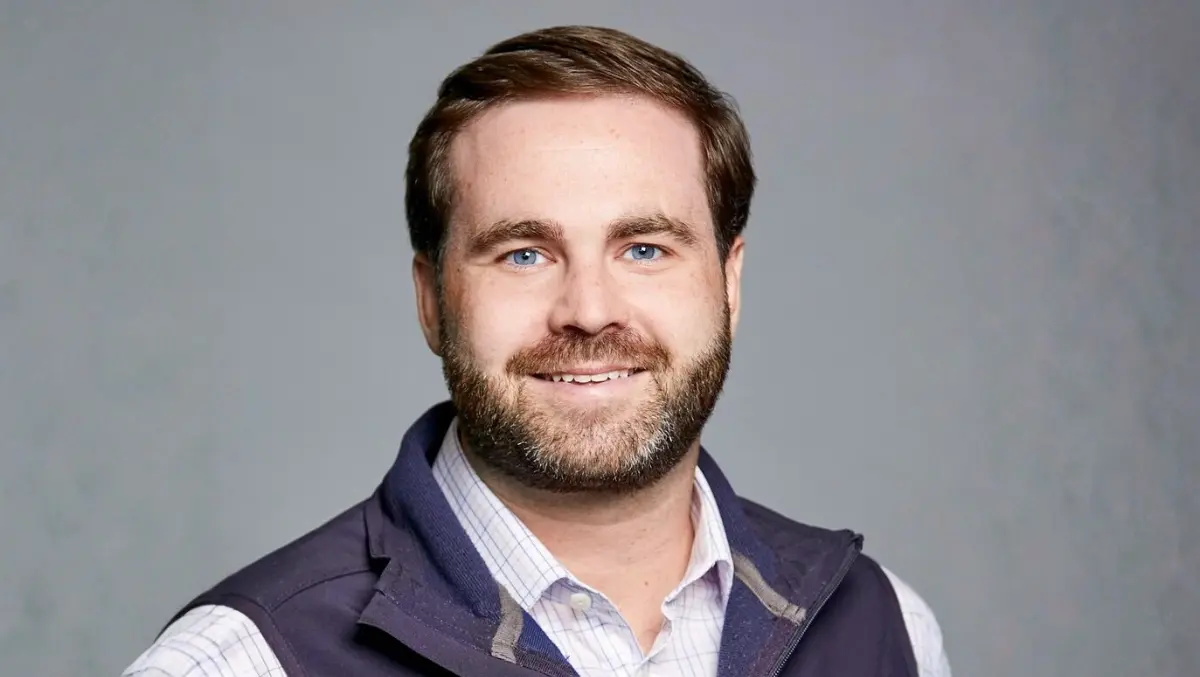
Eric Huttman, Chief Executive Officer of MillTech, commented on the findings.
"North American fund managers are being pulled in several directions at once. Trade tariffs, shifting central bank expectations and geopolitical tensions are making currency moves harder to predict and investment decisions harder to make. The fact that almost every respondent suffered losses from unhedged FX exposure helps explain why hedging participation and ratios are moving higher," he said.
He also addressed the methods firms use to manage that risk. "However, rising currency risks mean firms shouldn't simply hedge more. How they hedge is just as important. They should use technology to improve pricing transparency, gain clearer visibility of their exposures and reduce the operational friction involved in managing currency risk to protect returns," Huttman said.