

Pressure drives workers to use unapproved AI tools
Fri, 6th Nov 2026 (Today)
Trustmi has published survey findings suggesting many workers have used AI tools without knowing whether they were approved. The study also found that most employed respondents noticed suspicious details only after they had already acted on a request.
The survey of 1,000 US adults included 591 employed respondents. Among them, 53% said pressure to work faster or do more with AI had led them to use a tool they were not sure was approved.
The results also point to wider problems in day-to-day checks of emails, documents and requests. Some 71% of employed respondents said they had discovered an error or suspicious detail in an email, document or work request only after they had already responded to it, shared it or acted on it. Of that group, 43% said this had happened multiple times.
The findings suggest speed and workload pressures are affecting how employees verify potentially sensitive communications. The survey found that 84% of employed respondents said a heavy workload makes it harder to pay attention to important or sensitive tasks, while 83% said tight deadlines had the same effect.
That pressure also appears to be changing behaviour. Some 68% of employed adults said they were likely to spend less time verifying whether a request was legitimate when they were under pressure at work.
Workplace pressure
The data comes as many companies push staff to show productivity gains from AI tools while also managing broader digital changes. In that environment, the survey suggests some employees are bypassing internal approval processes or carrying out fewer checks when urgency increases.
Use of unapproved AI tools was not described as a one-off problem. Among respondents, 13% said they had done this frequently, 27% occasionally and 13% once.
The figures add to broader concerns for finance and security teams, where requests can involve invoices, payment instructions or supplier information that may be more vulnerable to manipulation when staff are rushed. Trustmi, which focuses on payment security, argued that fraud attempts are increasingly designed to appear credible enough to pass normal review processes.
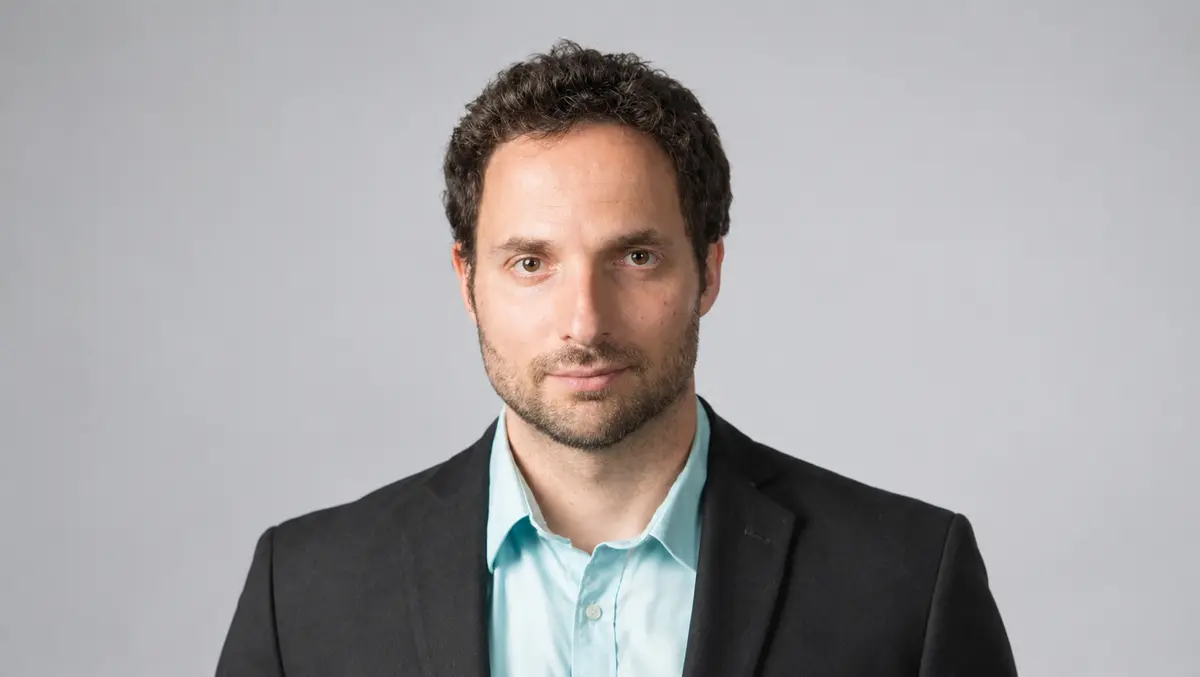
Shai Gabay, Co-founder and Chief Executive Officer at Trustmi, said the issue goes beyond simple employee oversight and reflects pressure in modern workflows. "From everyday emails to payment invoices, many organizational checks on accuracy are human driven. But individual and industry pressures can drive an urgency that changes the way humans make those judgement calls, and this creates an opening for risk," said Gabay.
He said the consequences include both mistakes and deliberate fraud. "When employees are asked to work faster, this can come at the expense of verification controls that prevent errors and fraud alike. For critical areas like payment workflows, it's simply not enough to rely on workforces constrained by demanding priorities to catch every mistake - extra protection is essential," Gabay said.
Second checks
The survey also asked whether workers would welcome automated checks on unusual requests. A total of 87% of employed respondents said it would be valuable to have technology automatically perform a second check when a workplace request contains unusual details or other warning signs.
The result points to growing interest in systems that review communications and requests before staff take action, especially when social engineering or document tampering may not be obvious at first glance. It also suggests companies may face a balancing act between encouraging wider AI use and maintaining control over which tools are used and how decisions are verified.
Trustmi compared the findings with earlier research that found employees often felt confident in their ability to identify fraud even when their understanding of fraud indicators did not match how attacks appear in practice. The newer results suggest that even when staff do notice warning signs, they may do so too late to prevent a problem.
Dynata conducted the polling among US adults aged 18 and over, and the reported findings were based on employed respondents. The survey focused on how urgency and competing demands influence attention, verification and responses to suspicious requests.
Trustmi said it protects more than USD $240 billion in payments annually and has helped prevent more than USD $1 billion in fraud and USD $5 billion in payment errors.